Same Book, Different Story: The Underground Artists Rewrapping Literature to Say What Publishers Won't
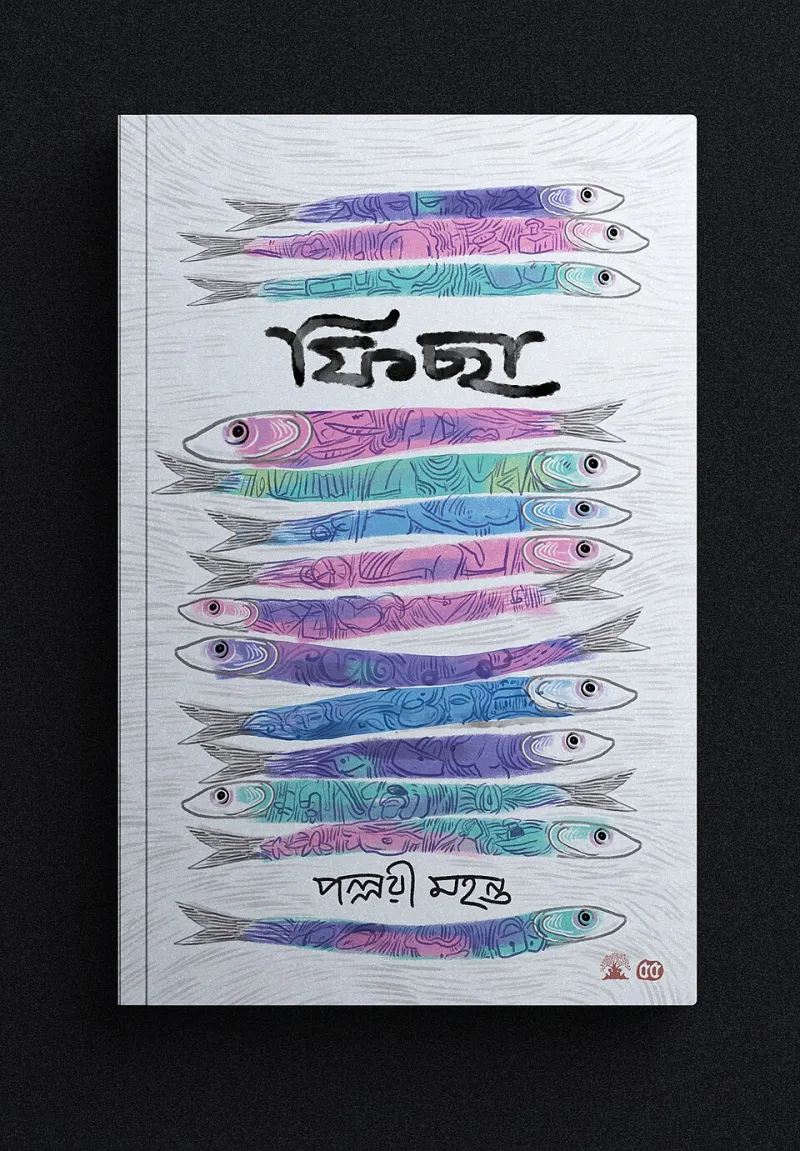
Photo: Sanjib Borah (Artist), CC BY 4.0, via Wikimedia Commons
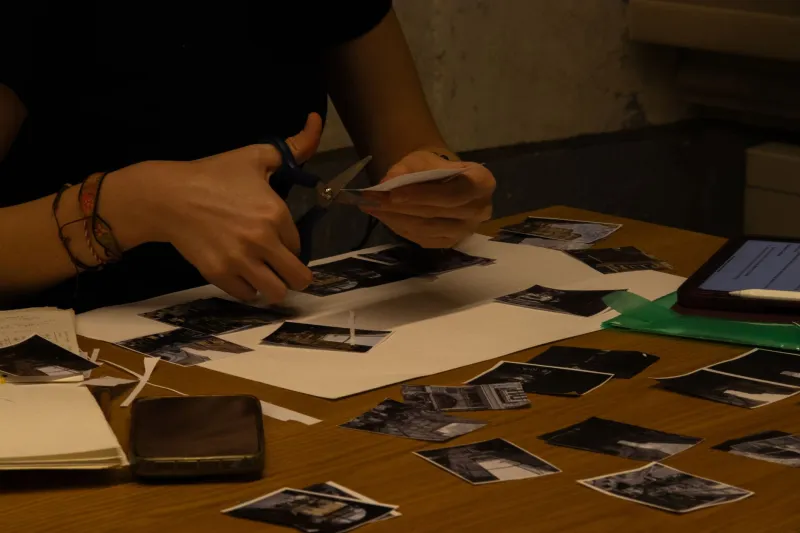
Somewhere in a Chicago apartment, a woman named Drea spends her Saturday nights at a folding table surrounded by X-Acto knives, cardstock, and a laser printer she bought secondhand from a school district liquidation sale. She's not making a zine exactly — or not only making a zine. She's making new skins for old books.
The title she's working on tonight is a bestselling memoir by a tech billionaire. The publisher's version features a clean sans-serif font, a soft-focus author photo, and a color palette that whispers aspirational. Drea's version features the same dimensions, the same spine width, the same barcode placement — but the imagery is lifted from a 1970s labor strike photograph, the title is subtly reworded, and a small block of text on the back cover lists the number of warehouse workers the author's company has employed under contested conditions.
She'll print about forty of these. She'll slip them over copies of the book at libraries, used bookstores, and Little Free Libraries across her neighborhood. Most will stay on. Some will get pulled. A few will travel.
"I'm not trying to trick anyone," she says. "I'm trying to make the book tell the truth about itself."
The Cover Is Already a Lie
Publishing has always understood something that readers sometimes forget: the cover is an argument. Before you read a single word, the jacket has already told you how to feel — who this book is for, what kind of person buys it, how seriously to take it. That's not accidental. It's a marketing decision made by people whose job is to sell copies, not to interrogate ideas.
The artists operating in this space — and there are more of them than you'd expect, scattered across cities from Portland to Philadelphia — take that function seriously enough to fight back against it. They're not burning books. They're not defacing them. They're engaging in what some of them call cover correction: the practice of designing alternative dust jackets that reframe, challenge, or flat-out contradict the editorial packaging a corporate publisher chose.
The results range from subtle to confrontational. Some redesigns simply strip away the celebrity-endorsement blurbs and replace them with quotes from critics the publisher ignored. Others reimagine a war memoir's heroic imagery with photographs of civilian casualties. One circulating jacket for a popular diet book replaces the aspirational before-and-after aesthetic with a clinical breakdown of the diet industry's financial interests in repeat customers.
Zine Culture Meets the Bookshelf
This isn't a totally new idea — détournement, the Situationist practice of repurposing mainstream media against itself, has been kicking around since the 1950s. But what's happening now feels different in scale and intention. The people doing this work are deeply embedded in zine culture, in mutual aid networks, in the broader tradition of DIY publishing that's been quietly thriving even as everyone declares print dead.
For many of them, the book cover project is an extension of the same logic that drives zine-making: if the official version of a story isn't telling the whole truth, you make your own version and you get it into people's hands.
Marco, a graphic designer in Brooklyn who's been making alternative jackets for about three years, describes it as "finishing sentences that got edited out." He focuses almost exclusively on political nonfiction — books by politicians, think-tank figures, and media personalities whose publishers have a financial interest in presenting them as moderate, reasonable, or inevitable.
"The text inside might actually be pretty revealing if you read carefully," he says. "But the packaging is designed to make you not read carefully. It's designed to make you feel like you already know what you think about this person." His redesigns tend to be stark — heavy black typography, archival documentary imagery, back-cover text that functions more like an essay than a blurb.
He gives them away at zine fests, mails them to people who ask, and occasionally slips them into the wild himself.
The Book as a Site of Resistance
What makes this practice genuinely interesting — and genuinely radical — is that it doesn't destroy the original object. The book underneath is still there. Every word the author wrote is still intact. The intervention exists at the threshold: the moment before reading, the moment of selection, the moment when a cover promises you something about what's inside.
In that sense, it's less about vandalism and more about annotation. These artists are arguing that the frame around a piece of media is itself a form of editorial control — and that wresting that control away, even temporarily, even for forty copies in a single neighborhood, matters.
There's also something quietly democratic about the medium. Dust jackets are just paper. They don't require permission, registration, or significant capital to produce. A decent home printer, some cardstock, and a few hours of design work can produce something indistinguishable in format from what came out of a major publishing house — even if the message is the opposite.
Librarians have mixed feelings, predictably. Some have quietly left the redesigned jackets on. Others have removed them and, in a few cases, reached out to the artists directly — sometimes critically, sometimes with curiosity. At least two librarians, according to people in this community, have asked for copies to keep for themselves.
Who Gets to Decide What a Book Means?
There's a philosophical question underneath all of this that the artists themselves wrestle with openly: does redesigning a cover change the book? Does it impose a reading on something that should remain open?
Drea pushes back on that framing. "The publisher already imposed a reading. I'm just making that visible by offering a different one." She's careful to make sure her jackets are clearly handmade — she doesn't want anyone to think the author or publisher produced them. The goal isn't forgery. It's conversation.
Marco puts it more bluntly: "Every book cover is propaganda for something. I'm just making propaganda for a different something."
What they're both circling is an idea that's been central to radical media criticism for decades — that neutrality in presentation is itself a political choice, and that the clean, professional aesthetics of mainstream publishing carry ideological weight whether or not anyone admits it. The alternative jacket makes that weight visible by putting something else on the scale.
Passing It Forward
The community aspect of this practice is part of what sustains it. Alternative jackets circulate at zine fests, through mutual aid networks, in Little Free Library drops and informal trades. Some artists document their work online under pseudonyms. Others keep it almost entirely analog, passing designs hand to hand.
There are no formal organizations, no manifestos (beyond the jackets themselves), no membership requirements. Just people with design skills and opinions and access to a printer, deciding that the book on the shelf deserves a more honest introduction.
Drea finishes her stack around midnight. She fans them out on the table, forty identical spines, and takes a photo she'll share with about two hundred people who follow her work.
Tomorrow she'll start distributing. The books are already out there. She's just giving them something true to wear.